 |
 |
|---|
 |
 |
|---|---|
|
|
 |
|
|---|---|
 |
|
 |
|
 |
|
|
|
 |
 |
|---|---|
 |
|
Exploring the Intricacies of Wireless Reverse LookupThe concept of wireless reverse lookup is both intriguing and complex, emerging as a crucial tool in our increasingly connected world. At its core, this technique allows individuals to uncover details about a phone number-specifically, a mobile number-that has contacted them. With the proliferation of smartphones and mobile communication, the demand for such services has soared. But what should one expect from a wireless reverse lookup, and what are the ethical considerations involved? Firstly, it is essential to understand how wireless reverse lookup services operate. These services typically rely on a database of phone numbers and associated information, often gathered from public records, social media, and other sources. While landline numbers are usually public domain, mobile numbers pose a greater challenge due to privacy laws and the sheer number of users. Consequently, the effectiveness of a reverse lookup can vary significantly depending on the service used and the data available. Users considering a wireless reverse lookup should be aware of a few key factors.
While these services offer convenience and can be a boon in situations involving unknown callers or potential scams, they also raise ethical questions. Is it appropriate to seek out personal information without consent? This dilemma underscores the importance of using these tools responsibly and for legitimate purposes. Moreover, users should remain aware of legislation surrounding data privacy, which can vary by region and might impact the legality of using such services. In conclusion, wireless reverse lookup is a powerful technology that can greatly enhance our understanding of who is reaching out to us via mobile communication. However, it is not without its complexities and ethical considerations. By approaching this tool with an informed and cautious mindset, users can navigate the challenges it presents, balancing the need for information with respect for privacy. https://www.nationalcellulardirectory.com/free-reverse-cell-phone-directory.aspx
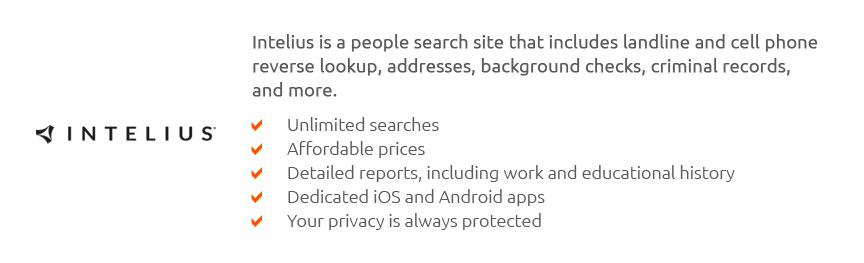
National Cellular Directory's reverse phone lookup tool will help you find the owner of a cell phone number. https://www.intelius.com/reverse-phone-lookup/
*Your search is confidential and secured with a 256- ... https://www.reddit.com/r/OSINT/comments/yy0vv0/how_do_i_do_a_reverse_phone_lookup_for_free/
I have a phone number someone wanted me to lookup for an investigation I'm doing to help someone out. I don't want anyone to do it for me, I would like help in ...
|
|---|

